







Our muscles can shrink by roughly 3–8% every decade after age 30, and it happens without pain, without fever, without any notification whatsoever. The signs only show up later: two flights of stairs leave us out of breath, or our pants feel tighter even though the scale has barely moved. We usually blame “getting older,” but there is another suspect working quietly in the background: muscle that slowly shrinks while fat moves in to take its place.
So, what can we do about it, starting now? The answer is strength training after 30. Strength training is any exercise that makes your muscles work against resistance, whether that comes from dumbbells, resistance bands, or your own body weight, with the challenge increased step by step. The goal isn’t just looking good; it’s protecting your muscle-to-fat ratio and the strength you need to stay independent. Two people with the same height and weight can have completely different metabolisms, depending on their body composition.
Think of your muscles as a retirement savings account. When we’re young, the balance feels generous without us having to do anything. Without regular deposits, though, it runs low right when we need it most. And the deposits don’t have to be heavy barbells at the gym; a pull-up bar, a resistance band, or even a hand grip will do. So the “I don’t have any equipment” excuse doesn’t hold up very well (the “I just don’t feel like it” excuse is admittedly more stubborn, hehe).
Islam reminds us of this too:
“The strong believer is better and more beloved to Allah than the weak believer, while there is good in both.” (Sahih Muslim, no. 2664)
Strength is of course broad, covering faith, knowledge, and character, but taking care of our physical ability is clearly part of it, because the body is a trust (amanah) from Allah.
There are ten benefits that research suggests matter most. Let’s start with the most basic one: the muscle itself.
Strength Training After 30 Slows Muscle Loss

Strength training after 30 slows down muscle loss, a process that starts earlier than most of us think. In a review by Volpi et al. (2004) in Current Opinion in Clinical Nutrition and Metabolic Care, muscle mass is reported to decline by about 3–8% per decade after age 30, with the rate accelerating after age 60.
Interestingly, strength fades faster than muscle size. The Health ABC study by Goodpaster et al. (2006), which followed 1,880 older adults for three years, found that leg strength dropped by about 2.6–4.1% per year, roughly three times faster than the loss of leg muscle mass. As a rough illustration, someone with about 30 kg (66 lbs) of skeletal muscle could lose 1–2.4 kg (2–5 lbs) of muscle every ten years without any “deposits” at all. Slow, but it adds up.
The good news is that muscle is adaptable, especially when training is paired with enough protein. A meta-analysis by Morton et al. (2018) in the British Journal of Sports Medicine, covering 49 randomized controlled trials with 1,863 participants, found that extra protein during resistance training added about 0.3 kg of fat-free mass and about 2.5 kg to maximal lifting strength, with the benefit leveling off at around 1.6 grams per kilogram of body weight per day. So two consistent sessions a week do far more good than a very heavy workout done only once in a while.
Helps Protect Your Chances of a Longer, Healthier Life

Muscle-strengthening activity is linked to a lower risk of death and chronic disease, with the biggest benefit at 30–60 minutes per week. A meta-analysis by Momma et al. (2022) in the British Journal of Sports Medicine pooled 16 prospective cohort studies and found a 10–17% lower risk of all-cause mortality, cardiovascular disease, cancer, and diabetes. To put it in perspective, 60 minutes is less than 1% of your week. Not a bad deal, right?
To be fair, this is observational evidence. People who train regularly may also pay more attention to their sleep and diet. Still, the practical message makes sense: strength training complements brisk walking or cycling, rather than replacing it.
Maintains Body Composition and Metabolism

Strength training shifts your body composition toward more muscle and less fat, a change the number on the scale simply can’t show. As a general guide, the American Council on Exercise (ACE) classifies adult body fat percentages as follows:
| Category | Men (body fat) | Women (body fat) |
|---|---|---|
| Athletes / very fit | 6–13% | 14–20% |
| Fitness / healthy | 14–17% | 21–24% |
| Average (acceptable) | 18–24% | 25–31% |
| Obese | 25% and above | 32% and above |
These numbers are a general guide, not a diagnosis, and digital scales at home can be off by a few percentage points.
A higher share of muscle brings three advantages. First, your resting metabolism holds up better. Research by Wang et al. (2010) in The American Journal of Clinical Nutrition uses a figure of about 13 calories per kilogram per day for skeletal muscle, compared with about 4.5 calories for fat. In other words, an extra 2 kg of muscle burns “only” about 26 extra calories a day (so don’t expect your muscles to turn into a magical fat-burning machine). Second, insulin sensitivity improves. Third, strong muscles support your bones and joints.
On the other hand, being “skinny fat” (high fat, low muscle) is linked to chronic inflammation and sarcopenia (age-related muscle loss). When you’re losing weight, strength training after 30 helps make sure you lose more fat than muscle. You’ll find practical strategies in how to lose 22 lbs (10 kg) in 6 months and these tips for a healthy and fit life.
Helps Your Body Manage Blood Sugar and Lowers Diabetes Risk
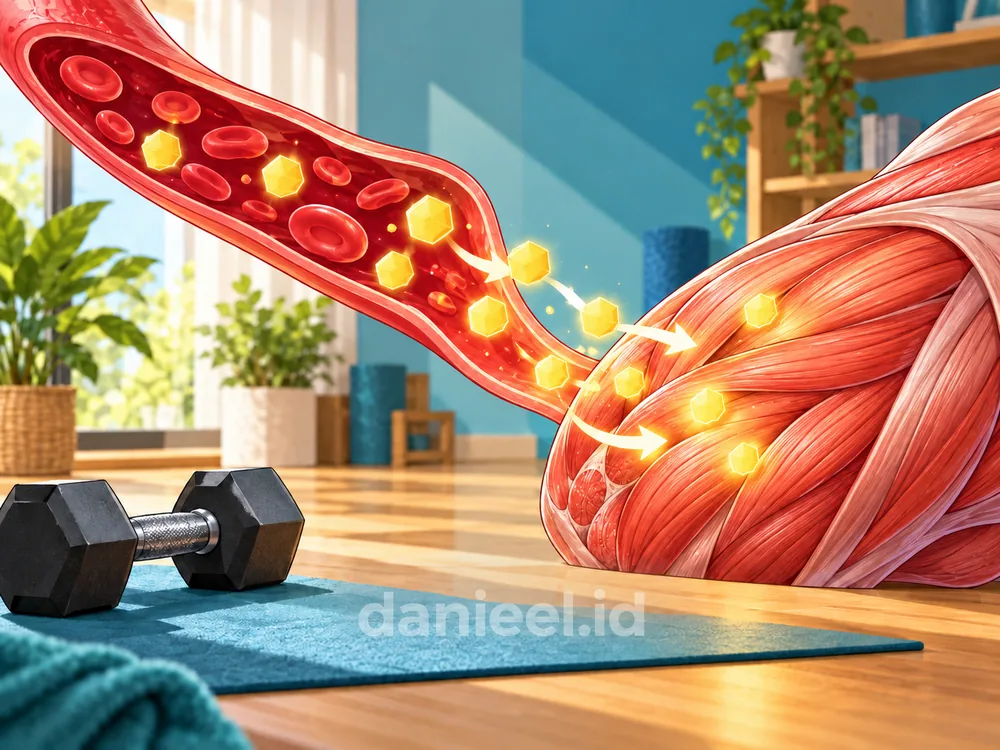
Muscle is one of the main places your body uses glucose, so having more muscle, and using it, helps keep blood sugar under control. Picture your muscles as a big sponge soaking up glucose from the bloodstream; when they contract, they soak up even more.
A study by Srikanthan and Karlamangla (2011) of 13,644 people found that every 10% increase in skeletal muscle index was associated with 11% lower insulin resistance and 12% lower prediabetes prevalence. Because it was a cross-sectional study, it shows an association, not cause and effect. In the study by Grøntved et al. (2012), 32,002 men were followed for 18 years, and those who did weight training at least 150 minutes per week had about a 34% lower risk of type 2 diabetes. Keep in mind that the participants were male health professionals, so the results may not apply equally to everyone.
Exercise is still no substitute for medication. People with diabetes, especially those with nerve complications or foot wounds, should adjust their training together with a healthcare professional.
Helps Maintain Bone Strength
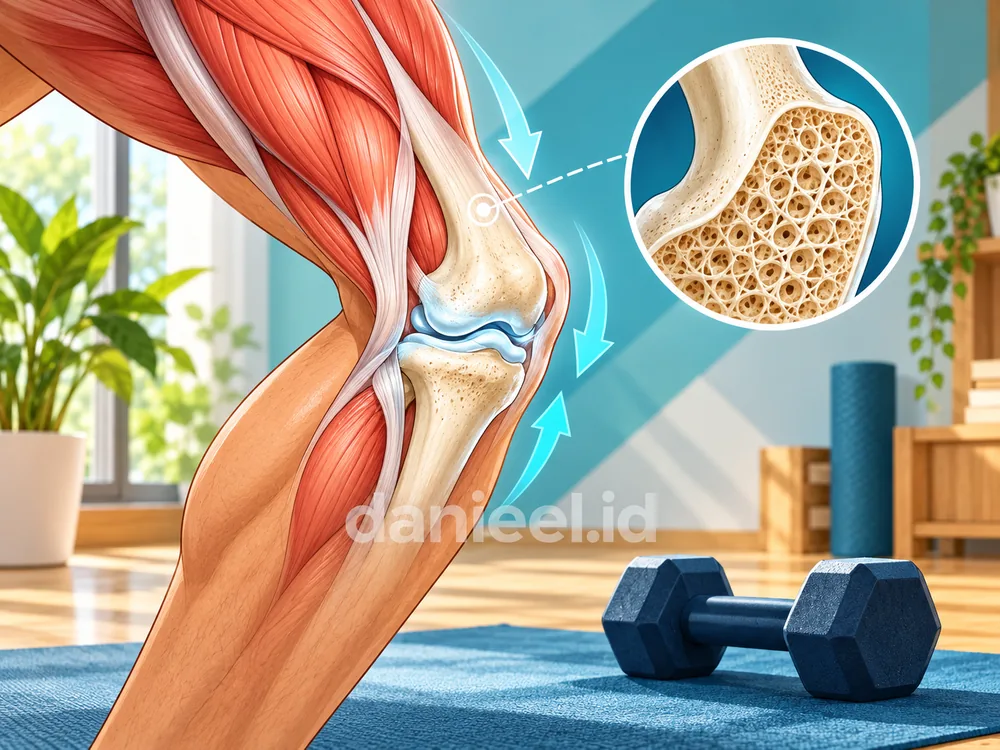
Bone is living tissue that gets stronger when it carries load, so strength training helps maintain bone density as we age. In the LIFTMOR randomized controlled trial by Watson et al. (2018) in the Journal of Bone and Mineral Research, 101 postmenopausal women with low bone mass did heavy, supervised resistance training for 30 minutes, twice a week, for eight months. Their lower-spine bone density rose by about 2.9%, while the group doing light exercise at home actually saw a drop of about 1.2%.
That said, the program was closely supervised by trained staff. If you already have osteoporosis or have had a fracture, don’t copy heavy training without guidance. In short, healthy loading is loading you can control.
Supports Heart Health and Blood Pressure

Regular strength training can modestly lower resting blood pressure and complements the heart benefits of cardio. A meta-analysis by Cornelissen and Smart (2013) in the Journal of the American Heart Association, covering 93 trials with 5,223 participants, found that dynamic resistance training lowered blood pressure by about 1.8 mmHg (systolic) and 3.2 mmHg (diastolic). Those numbers are small, so think of strength training as a complement to brisk walking and to the medication your doctor prescribes, not a replacement.
Avoid holding your breath while pushing or pulling a weight, especially if you have high blood pressure, and stop exercising if you experience chest pain, severe dizziness, or unusual shortness of breath.
Lifts Your Mood and Sense of Capability

Strength training is linked to fewer symptoms of depression and builds a sense of capability through small, measurable progress. A meta-analysis by Gordon et al. (2018) in JAMA Psychiatry, covering 33 randomized clinical trials with 1,877 participants, found a moderate effect; roughly speaking, for every four people who trained, one experienced a meaningful improvement. To be fair, studies with “blinded” assessment showed smaller effects.
One cleaner repetition already feels like a small win. Even so, physical activity can only support, not replace, a psychologist, psychiatrist, or medical treatment.
Keeps Your Brain Learning

Strength training trains the coordination between brain, nerves, and muscles, because every movement asks us to position our feet, stabilize our body, control our breathing, and judge our limits. It isn’t accurate to say this kind of training definitely prevents dementia. But building a movement habit now is far easier than starting from zero once your physical abilities have already declined.
Reduces the Risk of Injury in Daily Life

Strong muscles help your joints control movement and maintain balance, so the risk of injury during everyday activities goes down. You’ll feel the benefit when lifting a suitcase for a holiday trip home or carrying a child. Training also teaches safe movement patterns: bending at the hips and knees and keeping the load close to your body.
Unfortunately, poor technique and progressing too quickly can actually cause injuries. Muscle fatigue is normal, but sharp pain, swelling, or pain that won’t go away is a reason to stop and get checked.
Keeps You Independent into Old Age

The ultimate goal of strength training after 30 is independence: getting up from a chair, carrying groceries home from the market, and climbing stairs without much help. Every training session is a small deposit to keep those options open. Independence is also supported by diet, sleep, and social connection, as shown in the lessons from the Blue Zones.
How to Start Strength Training at Home Without Equipment
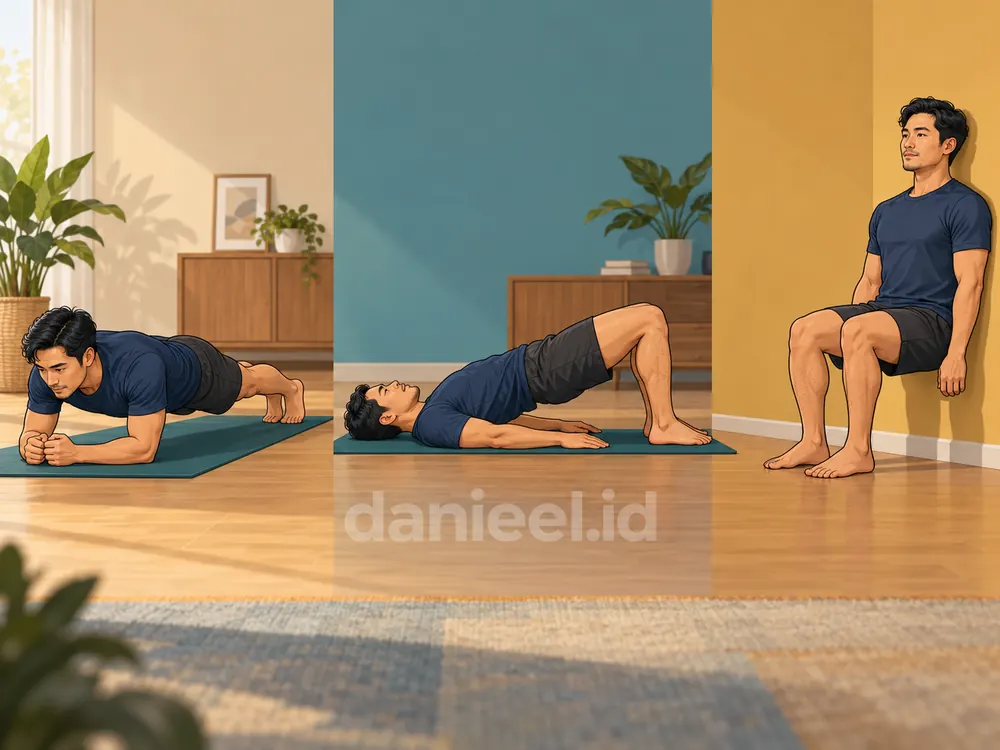
Strength training at home only takes four or five movements covering your legs, hips, pushing, pulling, and core stability, done twice a week in line with WHO guidelines for muscle-strengthening activity. For example:
- Squat: push your hips back as if sitting down, keep your knees in line with your toes, then stand up.
- Plank: hold your body straight from head to heels for 10–20 seconds.
- Glute bridge: lie down with your knees bent, then lift your hips without over-arching your lower back.
- Wall sit: lean your back against a wall and lower yourself only as far as feels comfortable for your knees.
- Dead hang: hang briefly from a bar that is truly sturdy; skip it if your shoulders hurt.
- Hand grip: squeeze in a controlled way, then release slowly, with both hands.
Use the first two weeks to learn the movements: one to two sets of 6–12 repetitions, stopping with about two or three reps still in the tank. If your technique stays clean, increase the challenge little by little. Get enough protein from tempeh, tofu, eggs, and fish (you’ll find more ideas in this list of easy superfoods to keep at home), and pair your training with walking after meals for light aerobic activity.
People with heart disease, uncontrolled blood pressure, serious joint problems, osteoporosis, pregnancy, or who are recovering from surgery should consult a healthcare professional first.
Grip Strength as a Health Marker
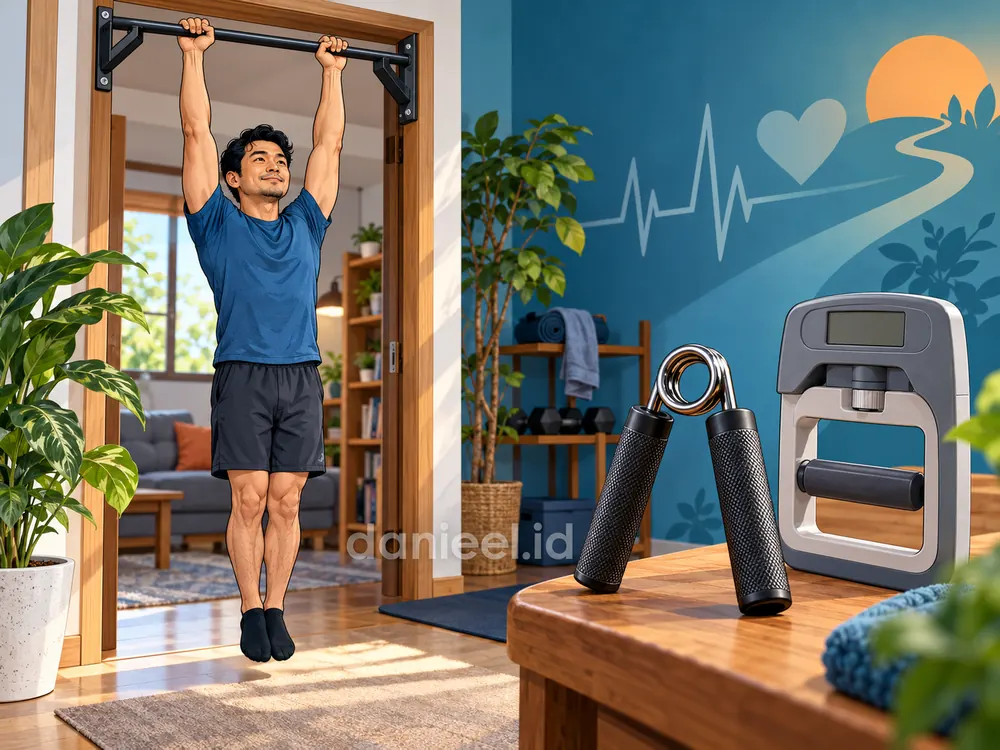
Grip strength is a health marker that is easy and cheap to measure. In the PURE study by Leong et al. (2015) in The Lancet, which involved more than 139,000 participants in 17 countries, weaker grip strength was associated with a higher risk of death. Still, a grip score isn’t a prophecy; squeezing a hand grip alone won’t automatically extend your life. Keep training your whole body.
Frequently Asked Questions About Strength Training After 30
Do I need a gym for strength training after 30?
Not necessarily. Your own body weight, resistance bands, or a sturdy bar at home are enough, as long as the challenge increases gradually and you train consistently.
How many times a week should I do strength training?
WHO recommends at least two days per week. The meta-analysis by Momma et al. found the biggest benefit at 30–60 minutes per week, so two short sessions are a great place to start.
Is it too late to start at 40 or 50?
It isn’t too late, because muscles and bones still respond to training later in life. Participants in the LIFTMOR trial averaged around 65 years old and still saw improvements in bone density.
Do I need protein supplements?
Not necessarily. The benefit of extra protein levels off at around 1.6 grams per kilogram of body weight per day, an amount many people can reach from tempeh, tofu, eggs, and fish.
So, When Should You Start Saving Up Muscle?
Back to those two flights of stairs: getting out of breath is often a sign that your muscle savings are running low. Strength training after 30 slows muscle loss, improves body composition, helps with blood sugar, and supports your bones, heart, mood, and brain, so you get injured less often and stay independent longer.
The balance doesn’t have to be big at first; what matters is making regular deposits. The first step is simple: pick two days this week and do squats, planks, glute bridges, and wall sits for 15–20 minutes. Our lifespan and health remain in Allah’s hands, but a strong body gives us greater capacity to carry out the trust of life.
Of the ten benefits above, which one makes you most eager to start: climbing stairs without getting winded, better blood sugar control, or staying independent in old age? I’d love to hear your answer in the comments.
Those two flights of stairs won’t get any shorter; what we can strengthen are the muscles that climb them.
Note: This article is for general educational purposes and is not a substitute for advice from a doctor or qualified healthcare professional.
References
- World Health Organization. Physical activity: recommendations for adults.
- Momma H, et al. Muscle-strengthening activities are associated with lower risk and mortality in major non-communicable diseases: a systematic review and meta-analysis of cohort studies. British Journal of Sports Medicine. 2022;56(13):755–763.
- Leong DP, et al. Prognostic value of grip strength: findings from the Prospective Urban Rural Epidemiology (PURE) study. The Lancet. 2015;386(9990):266–273.
This post is also available in: