







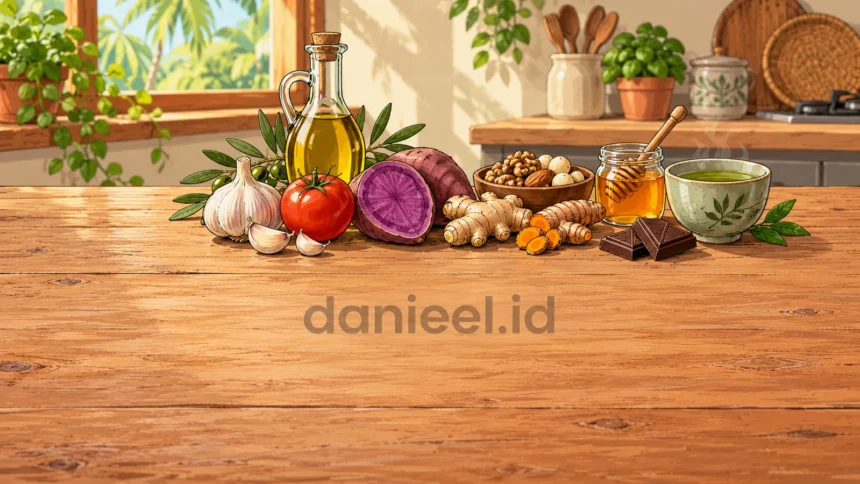
Ever opened your kitchen cupboard and thought, “I want to eat healthier, but where do I even start?” Our minds sometimes jump straight to imported ingredients, names that are hard to pronounce, and price tags that put our wallets on a strict diet, hehe. Meanwhile, the garlic, tomatoes, and pinch of turmeric that have been waiting patiently by the stove are hard at work. They just rarely get the spotlight.
Well, this is exactly why easy superfoods deserve a closer look. There is a saying we often hear:
Make food your medicine, before medicine becomes your food…
This line is a loose variation of the popular saying “Let food be thy medicine and medicine be thy food,” which is commonly attributed to Hippocrates. The message is a powerful one: what we eat every day helps shape our health later in life.
Before we go shopping, let’s get on the same page about what the word means. According to Harvard’s Nutrition Source, superfood has no official scientific definition. It is a popular label for foods considered to have outstanding nutritional value. So honey and chocolate still need limits, even though they made the list. No ingredient gets a free pass on portion size.
These ingredients are a bit like players on a football team. Some are great at defense, some are nimble at setting up attacks, but none of them can win the match alone. Health works the same way: what matters is how the whole menu works together, not one star player.
Choosing our food is also part of taking care of the provision we have been given. Allah SWT says:
“And eat of what Allah has provided for you [which is] lawful and good. And fear Allah, in whom you are believers.” (QS. Al-Ma’idah: 88)
This verse doesn’t talk about a specific list of foods, but about an attitude: lawful (halal) in how it is obtained, and good (thayyib) in its quality and benefit. In everyday life, the spirit of halalan thayyiban can show up through simple choices: wholesome ingredients, good preparation, and eating in moderation.
Below, I’ve put together 10 easy superfoods, along with their benefits and how to prepare them. Let’s go through them one by one:
Olive Oil: A Little Goes a Long Way
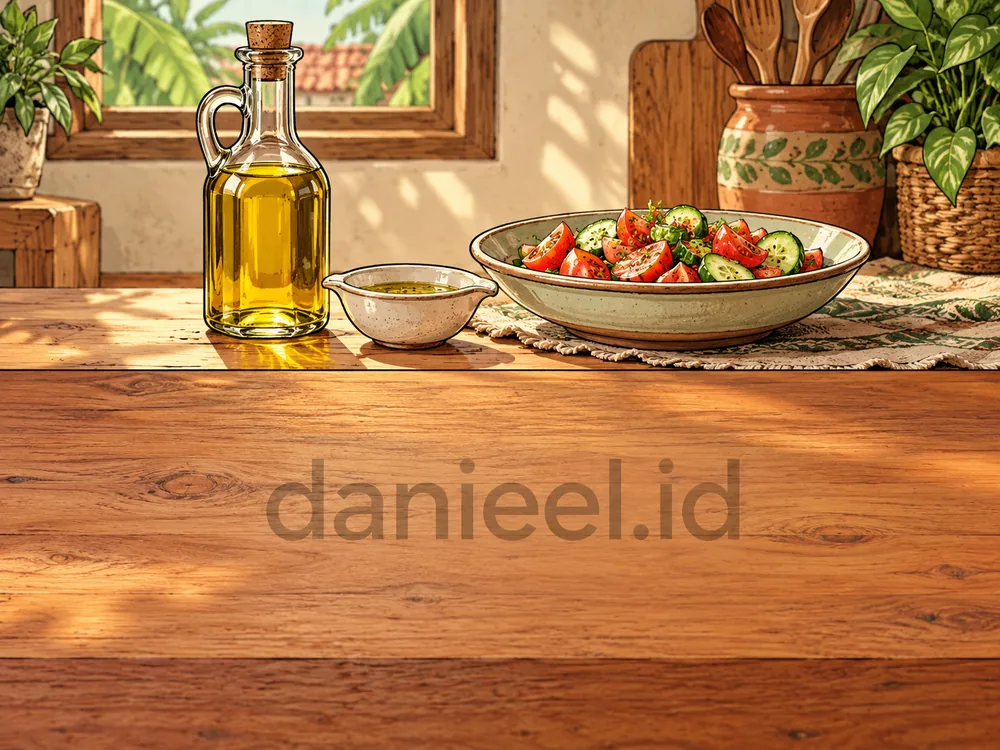
Olive oil is rich in monounsaturated fat, especially oleic acid. Extra virgin olive oil also carries polyphenols, the compounds behind its slightly bitter, peppery kick at the back of the throat. The WHO’s healthy diet guidelines recommend choosing unsaturated fats over saturated fats.
The benefits: the strongest evidence comes from the Mediterranean diet. The PREDIMED trial (Estruch et al., 2018) in the New England Journal of Medicine followed 7,447 high-risk adults in Spain for an average of almost five years. The group eating a Mediterranean diet supplemented with extra virgin olive oil had fewer major cardiovascular events than the group on a low-fat diet (HR 0.69; 95% CI 0.53–0.91). In other words, their risk was roughly 30% lower. To be fair, what was tested was the overall eating pattern, not olive oil on its own.
Its value really shows when olive oil replaces some sources of saturated fat, rather than simply being added to food that is already oily. Try mixing one tablespoon with a squeeze of lime and some black pepper for a salad dressing. Tomatoes and cucumbers, which usually just play the side role, can suddenly become a lot more appealing. Oil is still energy-dense, though, so there’s no need to drink it straight. And if the price doesn’t fit your budget, you can still build a nutritious menu with other ingredients.
Garlic: A Humble Spice with Plenty of Tricks

Garlic is often the backbone of soups, stir-fries, and sambal (chili relish). When its cells are crushed, a compound called alliin meets the enzyme alliinase and forms allicin, a sulfur compound that contributes to garlic’s sharp aroma. Allicin is the compound that scientists have studied the most.
The benefits: besides making food more fragrant without much salt, garlic, according to a summary from the NCCIH (the complementary health institute under the U.S. National Institutes of Health), may slightly lower blood pressure and cholesterol, although research results are not consistent and most studies used supplements. So think of garlic as a “supporting player” for your heart, not a replacement for blood pressure medication.
To give its signature compounds time to form, chop or crush it first, then let it sit for about 5–10 minutes before cooking. Song and Milner (2001) in the Journal of Nutrition reported that a pause of around 10 minutes before heating helped preserve the activity they measured in animals. Cavagnaro et al. (2007) also found a benefit from crushing garlic before moderate cooking in a laboratory platelet aggregation test. These findings don’t prove that the method prevents disease in humans, but there’s no harm in trying. While you wait, you can prep the vegetables and other spices.
For raw sambal or sauces, wait a bit before adding a lot of vinegar or citrus juice, because highly acidic conditions can inhibit alliinase. There’s no need to force down raw garlic if it upsets your stomach. Garlic supplements also call for caution, especially for people taking blood thinners.
Honey: Enjoy the Sweetness, Mind the Portion

Honey has a special place in many homes. Just a little can add aroma and flavor to oatmeal, plain yogurt, or a warm drink. It’s practical, keeps well when stored properly, and doesn’t require a long recipe.
The benefits: honey contains small amounts of phenolic compounds and enzymes, and it has natural antibacterial properties thanks to its high sugar and low water content. One of its more frequently studied uses is soothing coughs. A Cochrane review (Oduwole et al., 2018) concluded that honey may be slightly better than no treatment for relieving acute cough in children over one year old, although the quality of the evidence is still limited. A spoonful of honey in warm tea when your throat is itchy is not just a myth after all.
But natural doesn’t mean unlimited. The WHO counts the sugars naturally present in honey as free sugars, which should be limited. Swapping a lot of white sugar for a lot of honey doesn’t necessarily improve your menu; we’re just recasting the lead role in the same old story. There is one important limit: never give honey to babies under one year old, including mixing it into their food or drinks. The CDC explains its link to the risk of infant botulism.
Nuts: A Small Snack That Keeps You Full
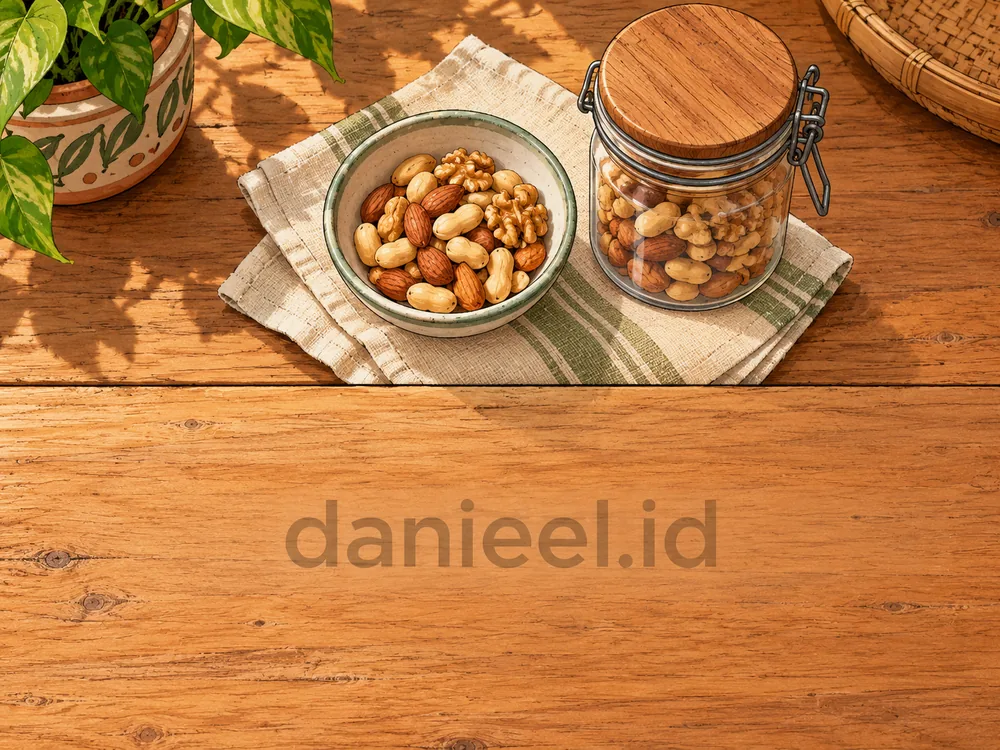
Among easy superfoods, nuts are some of the most practical. Peanuts are perfectly fine; they don’t have to be almonds or walnuts. We get a combination of plant protein, fiber, unsaturated fat, vitamin E, magnesium, and potassium, with the exact mix varying from one type to another.
The benefits: the combination of protein, fiber, and fat makes nuts more filling than chips with the same number of calories. Harvard summarizes research on nut consumption and heart health that found a link with a lower risk of cardiovascular disease. Because much of the evidence comes from observational studies, this link is no guarantee that nuts alone prevent disease. People who eat nuts regularly may also have other healthy habits.
A practical tip: choose nuts without too much added salt, then pour a small handful (about 30 grams) into a bowl. Make them a replacement snack, not an extra after all the other snacks are gone. Put the lid back on the jar, too; if it sits on your lap while you’re watching TV, your hand sometimes has an agenda of its own, hehe. Avoid nuts that trigger allergies, store them somewhere dry so they don’t get moldy, and adjust how you serve them to young children so they don’t choke.
Tomatoes: Fresh, Red, and Easy to Add to Many Dishes
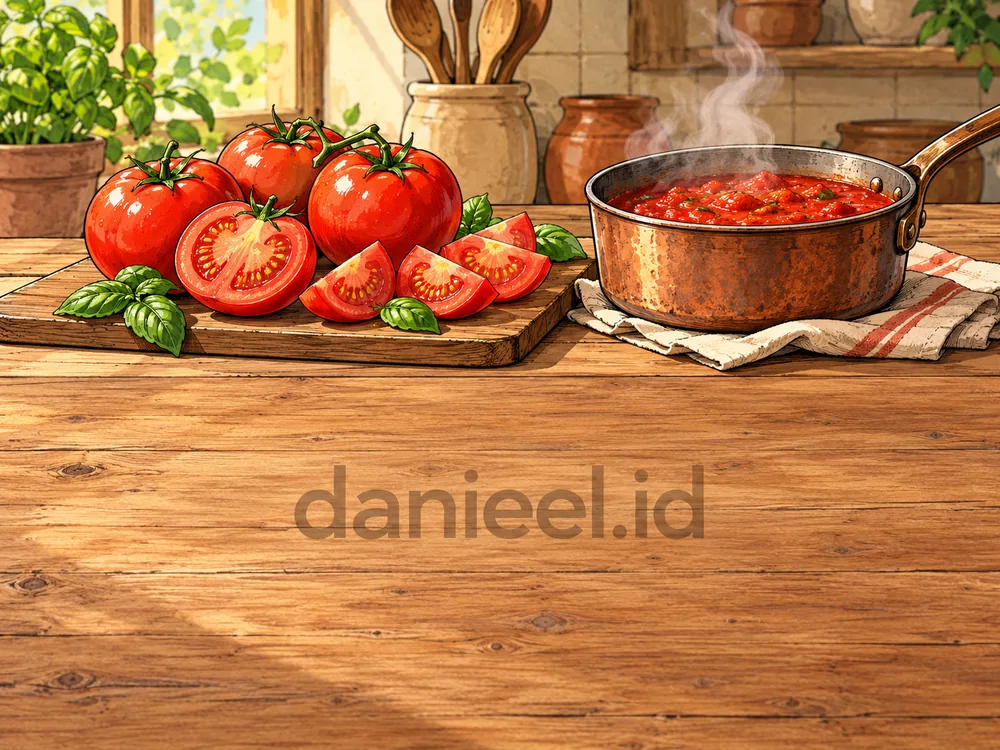
Tomatoes may be the most familiar of all the easy superfoods in our kitchens. They can go into lalapan (a plate of fresh raw vegetables), scrambled eggs, sayur asem (tamarind vegetable soup), soups, or sambal. They’re relatively affordable and almost always available at the market or the neighborhood vegetable stall.
The benefits: tomatoes provide vitamin C, potassium, fiber, and water with very few calories. Their red color comes from lycopene, a carotenoid pigment that acts as an antioxidant and has been widely studied for its links to heart and prostate health. The evidence for benefits against specific diseases is still mixed, but as part of your daily servings of fruit and vegetables, tomatoes are clearly a sensible choice.
Do they have to be eaten raw? Not really. A review on lycopene and tomato processing explains that heating can help increase how much lycopene is available for the body to absorb, especially when cooked with a little oil, since lycopene is fat-soluble. On the other hand, vitamin C is better preserved in fresh tomatoes. So just mix it up: fresh tomato slices today, tomatoes in a soup or homemade sauce tomorrow. Watch out for added sugar and salt in bottled sauces. Often, what needs fixing isn’t the tomato, but the whole entourage of ingredients that tag along into the pot.
Ginger: A Warmth That Makes Us Linger

Moving on from food, let’s make a warm drink. A few slices of ginger, lightly crushed and steeped in hot water, already make a simple wedang jahe (a traditional Javanese ginger drink), with no need for lots of sugar. Ginger also works well in soups, pepes (dishes wrapped and cooked in banana leaves), and all sorts of spice pastes, so your supply doesn’t have to wait for the rainy season.
The benefits: ginger’s warm, spicy taste comes from compounds called gingerol and shogaol. Ginger has been studied quite a lot for nausea. According to the NCCIH, the evidence suggests a possible benefit for pregnancy-related nausea and vomiting, but most studies used supplements. A cup of homemade ginger drink can’t be considered equivalent to the products and doses used in research. Even so, for many people, a warm ginger drink feels soothing on the stomach and can replace a sugary drink in the afternoon.
Besides nausea, ginger has also been studied for pain. A systematic review by Daily et al. (2015) in the journal Pain Medicine found that ginger powder taken during the first days of menstruation appeared to be better than a placebo at relieving period pain. For joints, a meta-analysis by Bartels et al. (2015) in the journal Osteoarthritis and Cartilage reported a small but real reduction in osteoarthritis pain.
Enjoy it as part of your menu, not as a “fat-burning drink.” If you’re managing your weight, you still need to look at portion sizes, sleep quality, and overall activity. If you’re considering ginger supplements during pregnancy or while taking regular medication, such as blood thinners, talk to a health professional first.
Turmeric: A Bright Color from Your Own Kitchen

Turmeric brings a yellow color that instantly reminds us of so many Indonesian dishes: nasi kuning (yellow rice), opor (chicken in coconut milk), gulai (curry-like stew), grilled chicken in yellow spice paste, all the way to jamu kunyit asam (a traditional turmeric-tamarind tonic). Paired with tofu, fish, or vegetables, it helps keep home cooking varied.
The benefits: curcumin, turmeric’s main yellow pigment, has been widely studied in the lab for its anti-inflammatory and antioxidant properties. However, the NCCIH considers the evidence for its health benefits in humans not yet strong enough for firm conclusions.
Even so, several human studies are worth a look. For joint pain, a meta-analysis by Daily et al. (2016) in the Journal of Medicinal Food pooled eight clinical trials and found that turmeric extract or curcumin at around 1,000 mg per day helped relieve the symptoms of osteoarthritis. For the stomach, a clinical trial by Kongkam et al. (2023) in BMJ Evidence-Based Medicine involved 206 patients with functional dyspepsia (bloating and upper stomach pain without a clear cause) in Thailand. After 28 days, curcumin capsules improved symptoms about as much as the stomach medication omeprazole.
What about the idea that turmeric can fight cancer? In the lab and in animal studies, curcumin does appear to slow the growth of cancer cells and dampen inflammatory pathways. That’s why turmeric is often called “anti-cancer.” But results in a petri dish don’t always carry over to humans. One clinical trial in people with an inherited form of intestinal polyps, for example, found no meaningful benefit from curcumin. A systematic review of randomized controlled trials (2023) also concluded that studies of curcumin as a complement to cancer treatment are still small and their results mixed, while the U.S. National Cancer Institute (NCI) still lists a number of ongoing clinical trials. So, for now, turmeric can’t be considered a cancer preventive, let alone a cancer cure.
That means turmeric still has a good place in the kitchen, as long as our expectations are realistic. Old habits like jamu kunyit asam, yellow rice, or pepes fish with yellow spices keep turmeric in our diet regularly in small amounts, and that kind of routine is easier to keep up than a short burst of high doses. If you’d like to try curcumin capsules for joint or stomach complaints, it’s best to talk to your doctor first, especially if you take blood thinners or diabetes medication, have gallstones, or are pregnant. Persistent stomach complaints also need to be checked properly, not just patched up with herbal tonics.
Making Easy Superfoods Work Harder: Turmeric and Black Pepper
Here’s the intriguing part: curcumin turns out to be rather “shy.” It doesn’t dissolve easily in water, only a little is absorbed by the gut, and it is quickly processed by the liver and flushed out. A review by Anand et al. (2007) in the journal Molecular Pharmaceutics named this low bioavailability as one of the main obstacles to curcumin’s benefits.
The good news is that our kitchens have a “teammate” for curcumin: black pepper. Pepper contains piperine, the compound behind its signature heat. The most frequently cited classic study, Shoba et al. (1998) in the journal Planta Medica, tested curcumin in rats and healthy human volunteers. When 2 grams of curcumin were given alone, levels in human blood were very low, almost undetectable. When 20 mg of piperine was added, bioavailability rose by about 2,000%, or roughly 20 times. In rats, the increase was around 154%. The researchers suspected that piperine inhibits processes in the liver and intestines that normally “package” curcumin quickly for removal.
As a rough picture, 20 mg of piperine is equivalent to less than a quarter teaspoon of ground black pepper, since pepper usually contains only a few percent piperine. The catch is that 2 grams of pure curcumin equals dozens of grams of turmeric powder, far above what we use in everyday cooking. So, an honest note: this study was small, used high doses, and measured blood levels, not direct health benefits.
In short, the habit of adding a pinch of black pepper to turmeric-spiced dishes makes sense and costs very little. Cook it with a little oil or coconut milk too, since curcumin is fat-soluble. As it happens, many Indonesian recipes such as gulai and curries have long combined turmeric, pepper, and coconut milk.
Purple Sweet Potatoes: Humble, Pretty, and Filling
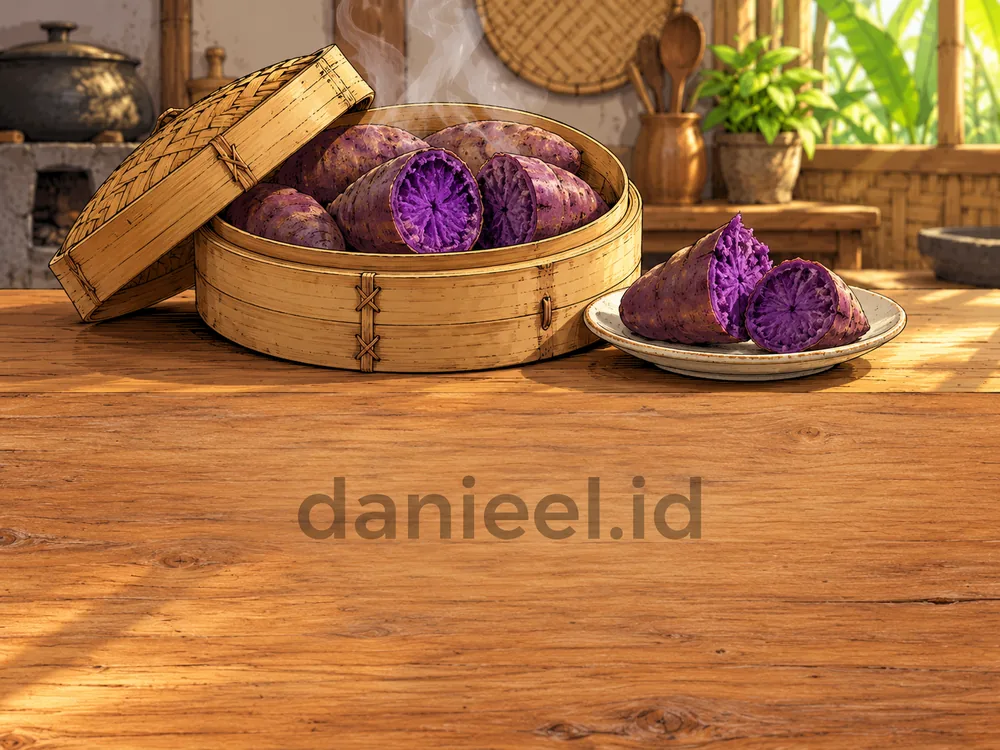
The search for easy superfoods sometimes brings us back to simple foods like purple sweet potatoes. Simply steamed, they already have a lovely color and natural sweetness, and they’re easy to find at traditional markets.
The benefits: purple sweet potatoes provide complex carbohydrates, fiber, potassium, and vitamin C. Their fiber supports digestion and keeps you full longer than white rice with the same number of calories. The purple color comes from anthocyanins, a group of pigments also found in berries. A scientific review on sweet potatoes discusses these plant compounds and how processing affects them. Their biological potential is interesting, but it isn’t proof that eating purple sweet potatoes automatically prevents cancer or helps you live longer.
Try serving steamed sweet potato with eggs or tofu and vegetables for a more complete breakfast. Steaming or boiling is kinder than frying. Adjust your portion to your needs, especially if you’re watching your carbohydrate intake. Interestingly, sweet potatoes were also a staple food in Okinawa, one of the long-lived regions discussed in my article on the secrets of the Blue Zones. Of course, longevity there is the result of many factors, not a single type of tuber.
Green Tea: A Break-Time Companion Without Much Sugar

As an easy superfood, green tea can be a good choice when we want to cut back on sugary drinks. Its distinctive aroma and flavor are enough to keep you company during an afternoon break. Brew it with hot water that isn’t at a full boil so it doesn’t turn too bitter, then try enjoying it without sugar first.
The benefits: green tea contains catechins, especially EGCG, along with a little caffeine and the amino acid L-theanine, which is often linked to feeling alert yet calm. Even so, the NCCIH’s summary of the evidence shows that research on various benefits, such as weight loss or cancer prevention, is still limited or inconsistent. The most tangible benefit is actually a simple one: a glass of unsweetened green tea replaces a glass of sweet drink that can contain several spoonfuls of sugar.
Don’t burden a single cup of tea with the job of preventing cancer and sorting out the bathroom scale at the same time. If the caffeine makes it hard to sleep or gives you palpitations, cut back and avoid drinking it close to bedtime. Regular brewed tea is also different from concentrated extracts; green tea extract supplements have been linked to liver injury.
Dark Chocolate: There’s Room for a Little Joy

Finally, we’ve reached the part that might make some readers smile (whoa there, but don’t finish the whole bar at once, okay?). Dark chocolate can have a place on the menu. Harvard’s Nutrition Source suggests choosing a cocoa content of 70 percent or higher, while still keeping an eye on the amount.
The benefits: cocoa contains flavanols, which have been studied for their links to blood vessel flexibility and blood pressure. Dark chocolate also provides a decent amount of iron, magnesium, and fiber for a small portion. However, the cocoa percentage isn’t an exact measure of flavanol content, because processing plays a role too. And a “dark” label doesn’t erase the energy, saturated fat, or sugar in the product.
Try taking one or two small pieces and savoring them slowly. Read the ingredients and nutrition information; choose one where cocoa or chocolate is listed first, not sugar. Chocolate can be a small pleasure without being assigned the job of medicine. Happy taste buds, with a fence around the portion.
Easy Superfoods: Start with Three Ingredients
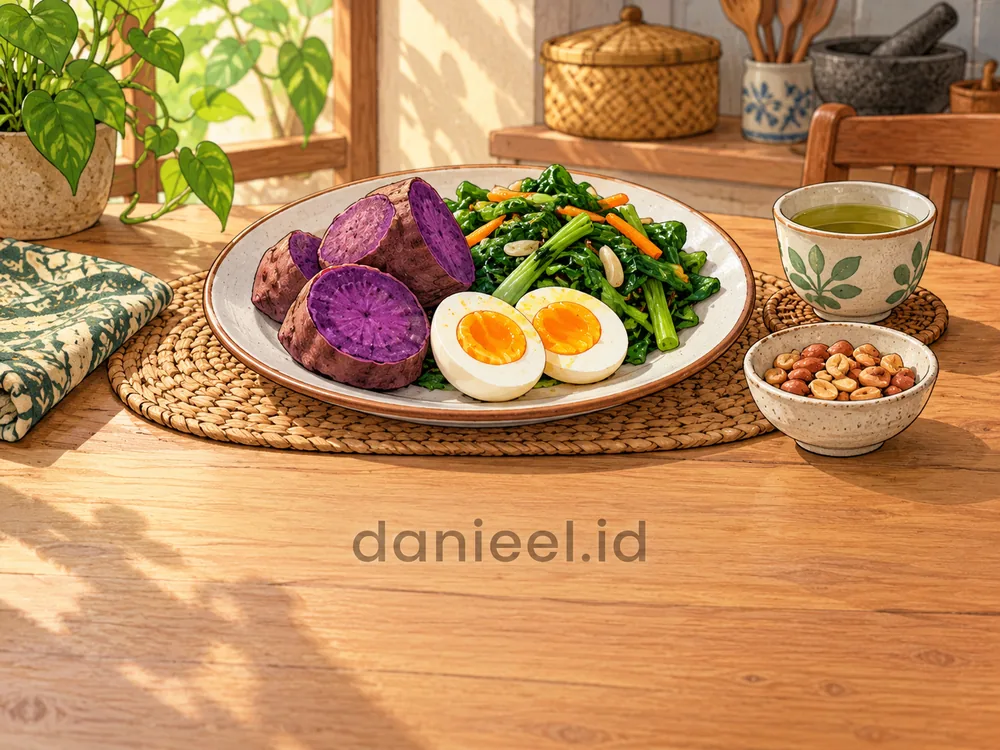
The list is complete. Now, how do we make sure these ingredients actually get eaten instead of just living on the kitchen shelf? Start with the three most familiar ones: for example, tomatoes for your main dishes, garlic as a seasoning, and nuts for snacks. There’s no need to buy everything at once.
A sample day can be as simple as this: steamed sweet potato with eggs and stir-fried vegetables for breakfast; a garlicky soup with tomatoes for lunch; unsweetened green tea and a handful of nuts in the afternoon; and tofu or fish in yellow spice paste with a pinch of black pepper for dinner. The other ingredients can take turns throughout the week. Honey and chocolate are fine once in a while in small portions; neither has to show up every day.
Easy superfoods are more useful when paired with other sensible habits. After eating, for example, we can make room for some light movement; I cover this in my article on the benefits of walking after meals. Other healthy habits, from getting enough sleep to drinking enough water, are also summed up in my 18 tips for a healthy and fit life. When it comes to shopping, buy what you need and store each ingredient according to its nature so it doesn’t end up forgotten in a corner of the fridge.
Closing Thoughts: Let’s Start with What’s in the Kitchen Today

To sum it up: olive oil helps improve our choice of fats, garlic and ginger enrich the flavor while bringing compounds that are fascinating to study, honey and dark chocolate offer a little joy in small portions, nuts and purple sweet potatoes keep us full longer, tomatoes contribute lycopene and vitamin C, green tea replaces sugary drinks, and turmeric becomes even more powerful with a pinch of black pepper. Easy superfoods don’t have to make your menu complicated.
Back to that football team: these ten ingredients are great players, but matches are won by the team. We still need a varied diet, protein sources, vegetables, fruit, and appropriate portions. The saying “make food your medicine, before you make medicine your food” is best understood that way too: taking care of our eating habits now so that we won’t depend too much on medicine later, not refusing medicine when we truly need it.
Start small: add tomatoes to your main dishes, keep unsalted nuts on hand, sprinkle pepper on turmeric-spiced dishes, or use less sugar in your tea. A habit you can keep up tomorrow is more useful than an enthusiastic shopping spree that fizzles out next week. And every time we prepare food that is lawful and good, we are giving thanks for the provision from Allah SWT in the simplest way. Who knows, a few years from now we might thank ourselves for what we did today.
Of these ten ingredients, which one shows up most often in your kitchen? Share it in the comments. I hope you find this helpful.
Note: this article is for general education and is not a substitute for advice from a doctor or qualified health professional. Adjust your food choices to your allergies, medical conditions, and any medications you take.
References
- World Health Organization. (2020). Healthy diet (Fact sheet). https://www.who.int/news-room/fact-sheets/detail/healthy-diet
- Shoba, G., Joy, D., Joseph, T., Majeed, M., Rajendran, R., & Srinivas, P. S. (1998). Influence of piperine on the pharmacokinetics of curcumin in animals and human volunteers. Planta Medica, 64(4), 353–356. https://doi.org/10.1055/s-2006-957450
- National Center for Complementary and Integrative Health (NCCIH). Turmeric. https://www.nccih.nih.gov/health/turmeric
This post is also available in: